


Osteoporosis is a common bone disease that affects millions of people worldwide. It is characterized by low bone mass and deterioration of bone tissue, leading to an increased risk of fractures. While there are treatments available to slow down the progression of osteoporosis, there is currently no cure. However, a recent study has shown promising results in using stem cell therapy to reverse osteoporosis in mice. In this article, we will explore the potential of stem cell therapy for bone regeneration and its implications for the treatment of osteoporosis.
Understanding Stem Cell Therapy
Stem cell therapy is a type of regenerative medicine that uses stem cells to repair or replace damaged tissues or organs. Stem cells are undifferentiated cells that can develop into different types of cells in the body. They can be found in various tissues, including bone marrow, adipose tissue, and umbilical cord blood.
Stem cell therapy has been used to treat a variety of conditions, including heart disease, diabetes, and spinal cord injuries. In recent years, researchers have been exploring the potential of stem cell therapy for bone regeneration.
How Stem Cells Can Help with Bone Regeneration

Stem cells can differentiate into bone cells, making them a promising tool for bone regeneration. When injected into the body, stem cells can migrate to the site of injury or damage and differentiate into bone cells, promoting the growth of new bone tissue.
In addition, stem cells also release growth factors and cytokines, which are proteins that stimulate the growth and repair of tissues. These growth factors can help to attract other cells to the site of injury and promote the formation of new blood vessels, which are essential for the growth of new bone tissue.
Types of Stem Cells Used for Bone Regeneration
Several types of stem cells have been used for bone regeneration, including:
- Mesenchymal stem cells (MSCs): These are adult stem cells that can be found in bone marrow, adipose tissue, and other connective tissues. They can differentiate into bone, cartilage, and fat cells.
- Induced pluripotent stem cells (iPSCs): These are adult cells that have been reprogrammed to behave like embryonic stem cells. They can differentiate into any type of cell in the body, including bone cells.
- Embryonic stem cells (ESCs): These are derived from embryos and can differentiate into any type of cell in the body.
The Study: Stem Cell Injection Reverses Osteoporosis in Mice
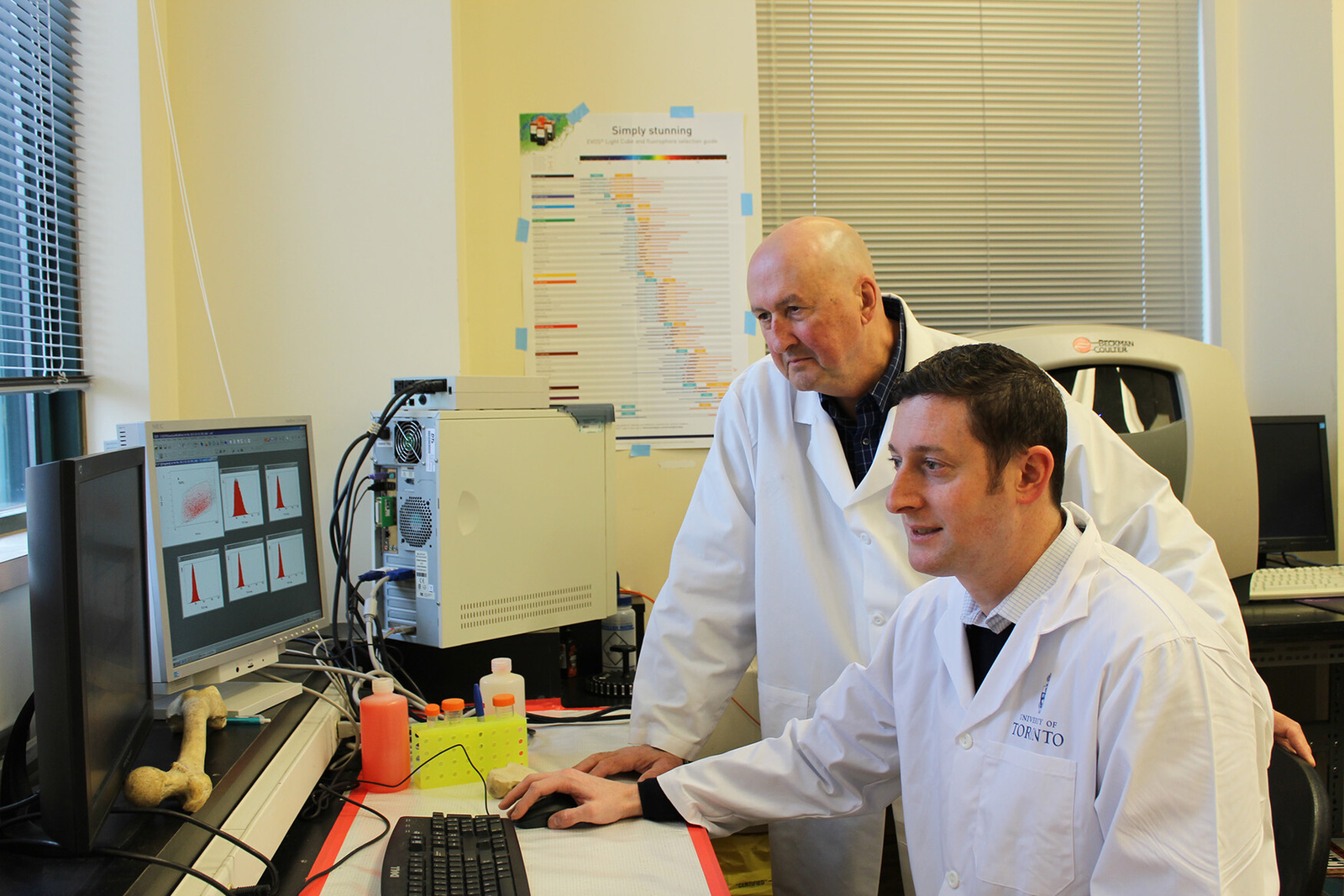
In a recent study published in the journal Stem Cell Reports, researchers from the University of Toronto and The Ottawa Hospital Research Institute investigated the potential of stem cell therapy for the treatment of osteoporosis.
The researchers used a mouse model of osteoporosis and injected MSCs into the mice’s bone marrow. They found that the MSCs were able to migrate to the site of bone loss and differentiate into bone cells, leading to an increase in bone mass and strength.
In addition, the researchers also found that the MSCs were able to reduce inflammation and promote the growth of new blood vessels, which are essential for bone regeneration.
The results of this study are promising and suggest that stem cell therapy could be an effective treatment for osteoporosis.
Implications for the Treatment of Osteoporosis
Osteoporosis is a major health concern, especially for older adults. It is estimated that over 200 million people worldwide suffer from osteoporosis. This number is expected to increase as the population ages.
Currently, the treatments available for osteoporosis focus on slowing down the progression of the disease and reducing the risk of fractures. However, these treatments do not address the underlying cause of osteoporosis, which is the loss of bone mass and deterioration of bone tissue.
Stem cell therapy, on the other hand, has the potential to reverse the effects of osteoporosis by promoting the growth of new bone tissue. This could lead to a cure for osteoporosis and improve the quality of life for those affected by the disease.
Challenges and Future Directions
While the results of this study are promising, there are still challenges that need to be addressed before stem cell therapy can be used as a treatment for osteoporosis in humans.
One of the main challenges is finding a reliable source of stem cells. While MSCs can be found in bone marrow and adipose tissue. The process of isolating and expanding these cells can be time-consuming and expensive. In addition, there are ethical concerns surrounding the use of ESCs, which are derived from embryos.
Another challenge is ensuring the safety and efficacy of stem cell therapy. More research is needed to determine the optimal dosage and delivery method for stem cell therapy, as well as potential side effects.
Despite these challenges, the potential of stem cell therapy for the treatment of osteoporosis is promising. With further research and development, stem cell therapy could become a viable treatment option for osteoporosis shortly.
Conclusion
Osteoporosis is a common bone disease that affects millions of people worldwide. While there are treatments available to slow down the progression of the disease, there is currently no cure. However, a recent study has shown promising results in using stem cell therapy to reverse osteoporosis in mice.
Stem cell therapy has the potential to promote the growth of new bone tissue and reverse the effects of osteoporosis. While there are still challenges that need to be addressed. The results of this study suggest that stem cell therapy could be a game-changer in the treatment of osteoporosis. With further research and development, stem cell therapy could become a viable treatment option for osteoporosis shortly.
